Lighting the way
Megan Jones ’10 explains how circadian-aligned lighting can enhance employee well-being, strengthen organizational performance, and make for healthier workplaces.

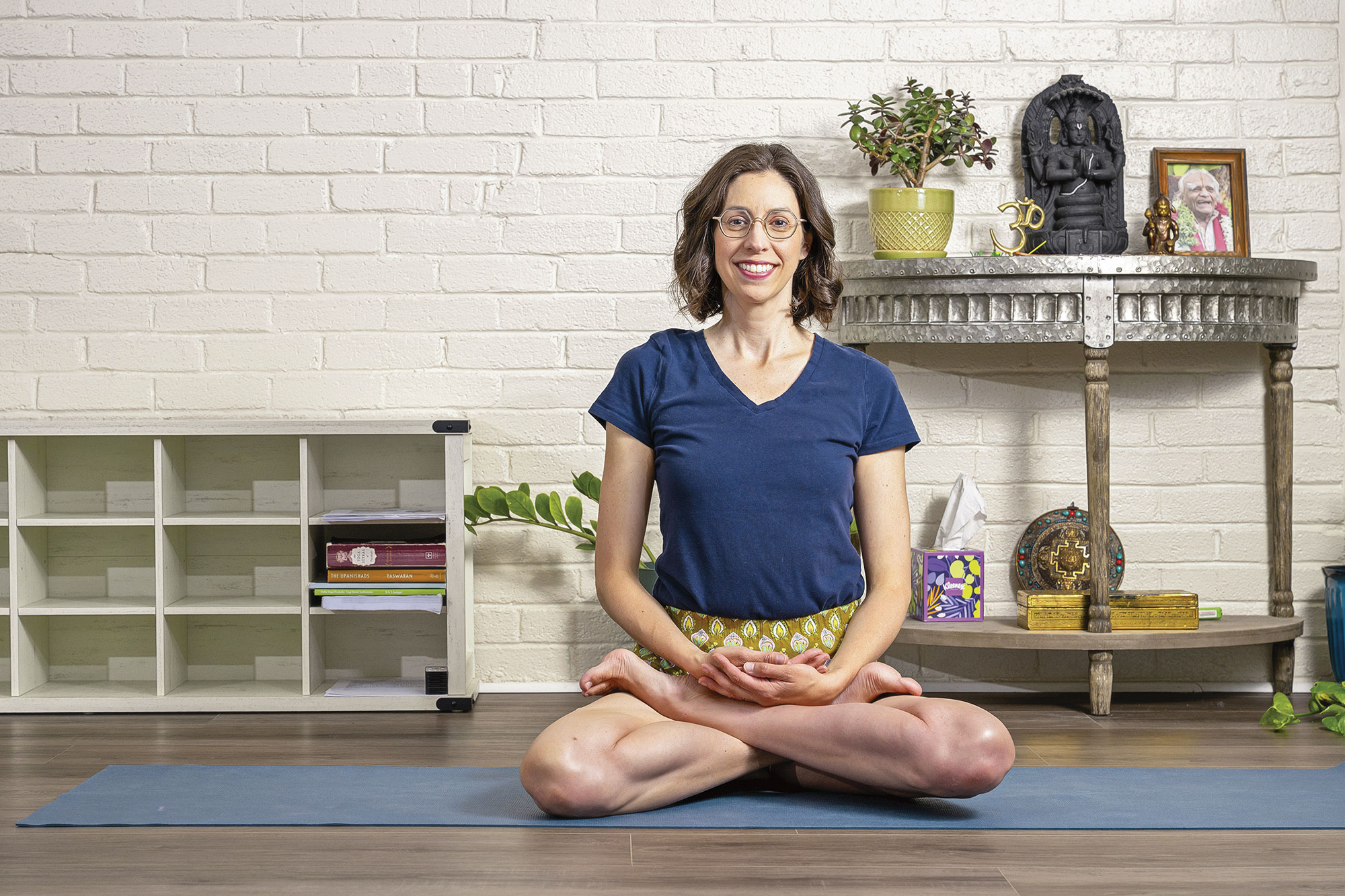
Jones says that science is still catching up to the effects of modern lighting.
Photograph Courtesy of Megan Jones
Brightening our world isn’t the only purpose of light. Depending on its source—natural or artificial—light has the power to either feed or deplete the human body of the energy it needs to function at its best. As head of business development and marketing at Earthlight.app, Megan Jones ’10 helps organizations understand how intentional lighting choices in the built environment impact both employee well-being and the bottom line.
“Companies will often go for the lowest-cost or highest-energy-efficiency lighting solution without looking at the human part of the equation,” Jones says. Natural light is crucial to regulating the human circadian rhythm—the body’s natural sleep-wake cycle—and heavily influences physical, mental, and cognitive health. Adversely, prolonged exposure to standard industrial lighting such as fluorescent or LED fixtures can disrupt that rhythm; potentially, this might lead to negative effects on employee health and productivity—and higher health insurance costs for employers.
Earthlight.app offers a solution to this challenge: circadian health and compliance software for the lighting, architectural, and engineering industries. “The software helps companies evaluate their current lighting and determine the best solution for their goals,” Jones says.
Here, Jones explains how reimagining workplace lighting can create brighter experiences for employees and employers alike.
What we know about workplace lighting
A 2018 Future Workplace study found that more than one-third of employees feel they don’t get enough natural light at work. Nearly half reported feeling tired, and 43% said they felt gloomy because of insufficient light. “Even offices with sunny windows often fail to make up for how bad it is for you to be under those artificial lights all day,” Jones says. Less time in the sunshine puts a strain on sleep, thought processing, reaction time, mood, and more. Over time, these effects can increase fatigue-related errors, absenteeism, health care needs, and turnover—all without employers considering that lighting might be a contributing factor.
Jones argues that workplace lighting shouldn’t be viewed as aesthetic infrastructure but as a strategic investment in performance, satisfaction, and risk reduction. “Designing our built environment around our needs and best interests as humans should become standard practice,” she says.
On calculating health and happiness
One solution is circadian-aligned lighting—a lighting system designed to simulate the sun’s 24-hour cycle and work in tandem with the body’s internal clock. Jones says 2024 research in SLEEP, a journal dedicated to sleep and circadian science, shows that circadian-aligned lighting can increase vigilance, alertness, and overall work performance. It also improves mental health by nearly 14% and extends sleep by an average of 52 minutes per night. “Improved sleep alone significantly reduces the risk for developing chronic conditions like diabetes and obesity,” Jones says. In addition to helping to strengthen the immune system, “it allows us to function at a higher level, feel more engaged, and make fewer errors,” while also boosting cognition and working memory.
Screen exposure makes things worse
Artificial lighting isn’t the only thing throwing off the tempo of our internal clocks. Prolonged exposure to high-energy blue light emitted by screens can contribute to issues ranging from vision impairment to sleep disruption. (The National Library of Medicine reports that Americans are averaging more than five hours per day on digital devices.) In addition to monitoring screen time, Jones recommends switching devices to red or warmer light settings in the evening. “And try not to use electronics right before you go to sleep,” she adds. “Give yourself a window of time to wind down.”
Rethink the home office
Remote workers often have greater control over the lighting conditions in their home office. Positioning your workstation near a sunny window is an effective first step, Jones says. Light therapy lamps can also help.
Getting outside is best medicine
The National Library of Medicine also reports that Americans now spend more than 90% of their time indoors. “Whenever possible, go out for a walk in the morning or during your lunch break,” Jones says. “Getting the right kind and amount of light doesn’t just help us see better—it feeds our bodies to live and work better.”