When we learned that the world’s oldest surviving camera-made photograph, “View from the Window at Le Gras,” was taken in France around the same year as the founding of Lafayette, we were inspired to show campus, as we know it today, through an antique lens.
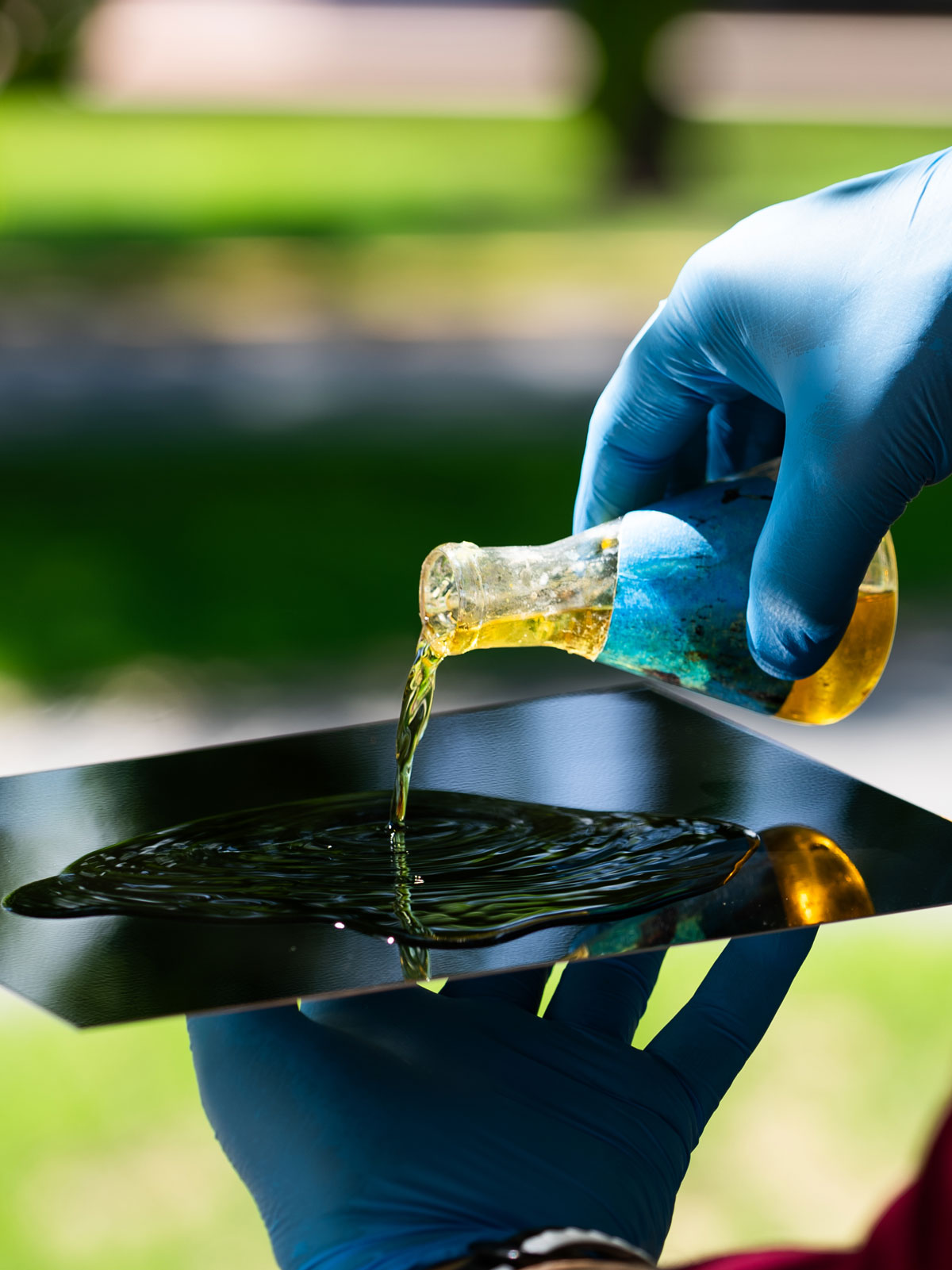
Wet-plate photography, popularized in the mid-19th century, is a multistep process that involves glass plates, chemical baths, long exposures, cooperative lighting, and access to a portable darkroom. It also requires patient subjects, as each portrait takes 15 minutes to process.
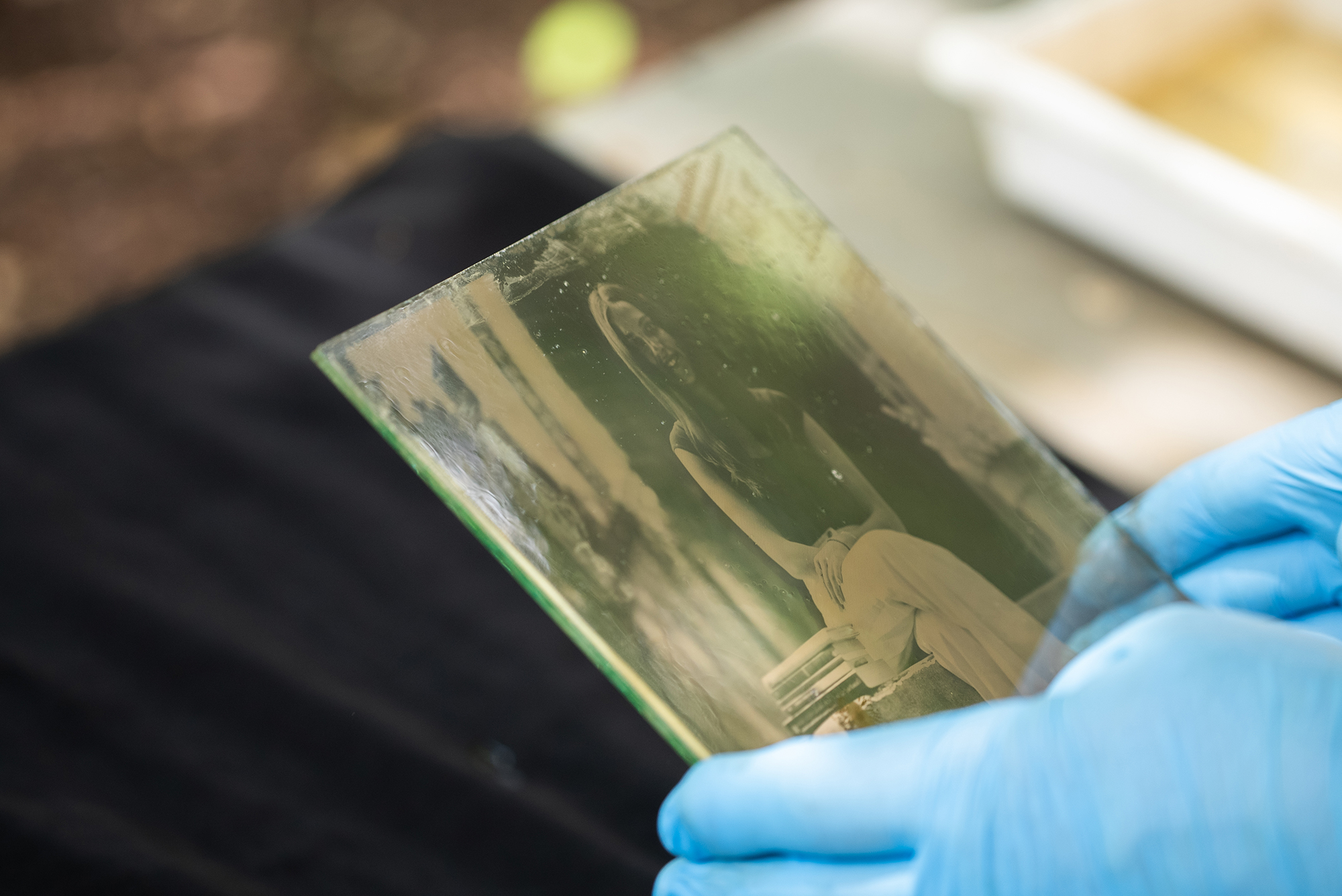
The series of scenes in “Living history” took one year to complete by photographer Rick Smith. He nearly pauses time, at least for a little while, to permanently preserve our dear Lafayette.
Here is a behind-the-scenes look at his multi-step process.
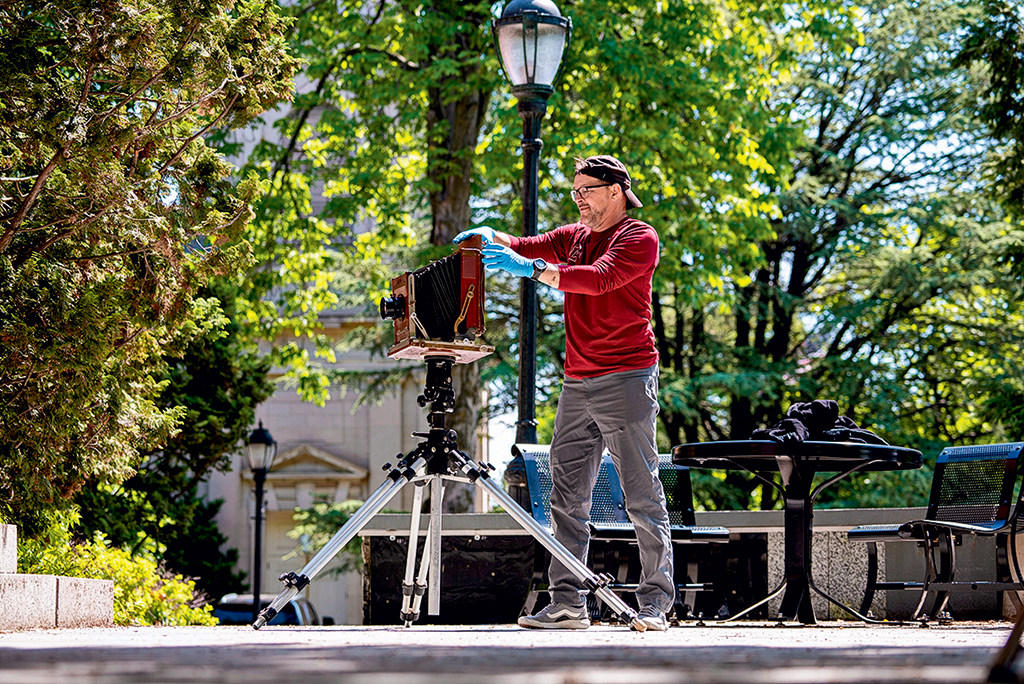
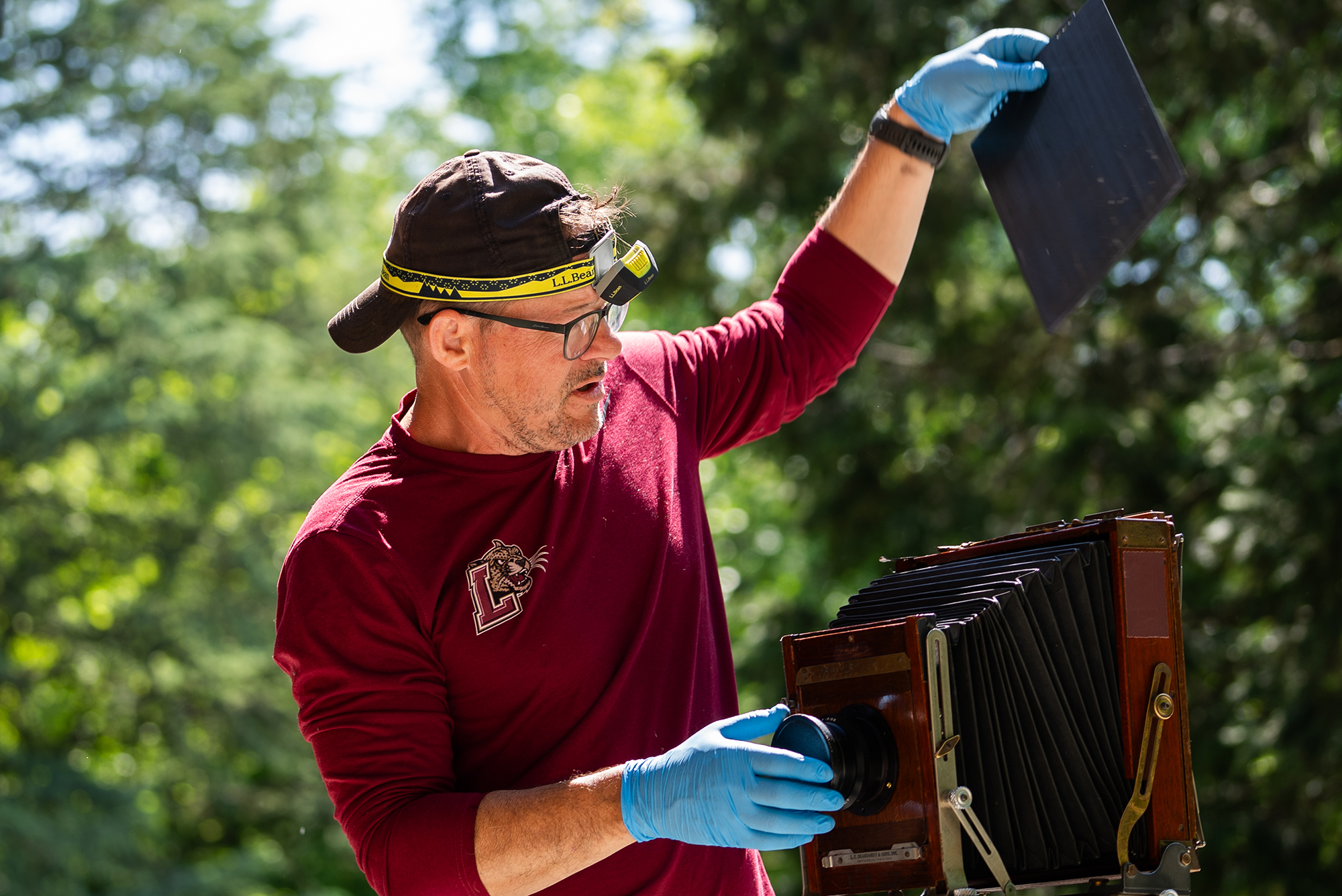
Longtime Lafayette photographer Rick Smith prepares to make an exposure. Protective gloves, which protect him from chemical exposure, and a headlamp to navigate the portable darkroom help ensure a smooth and safe process.
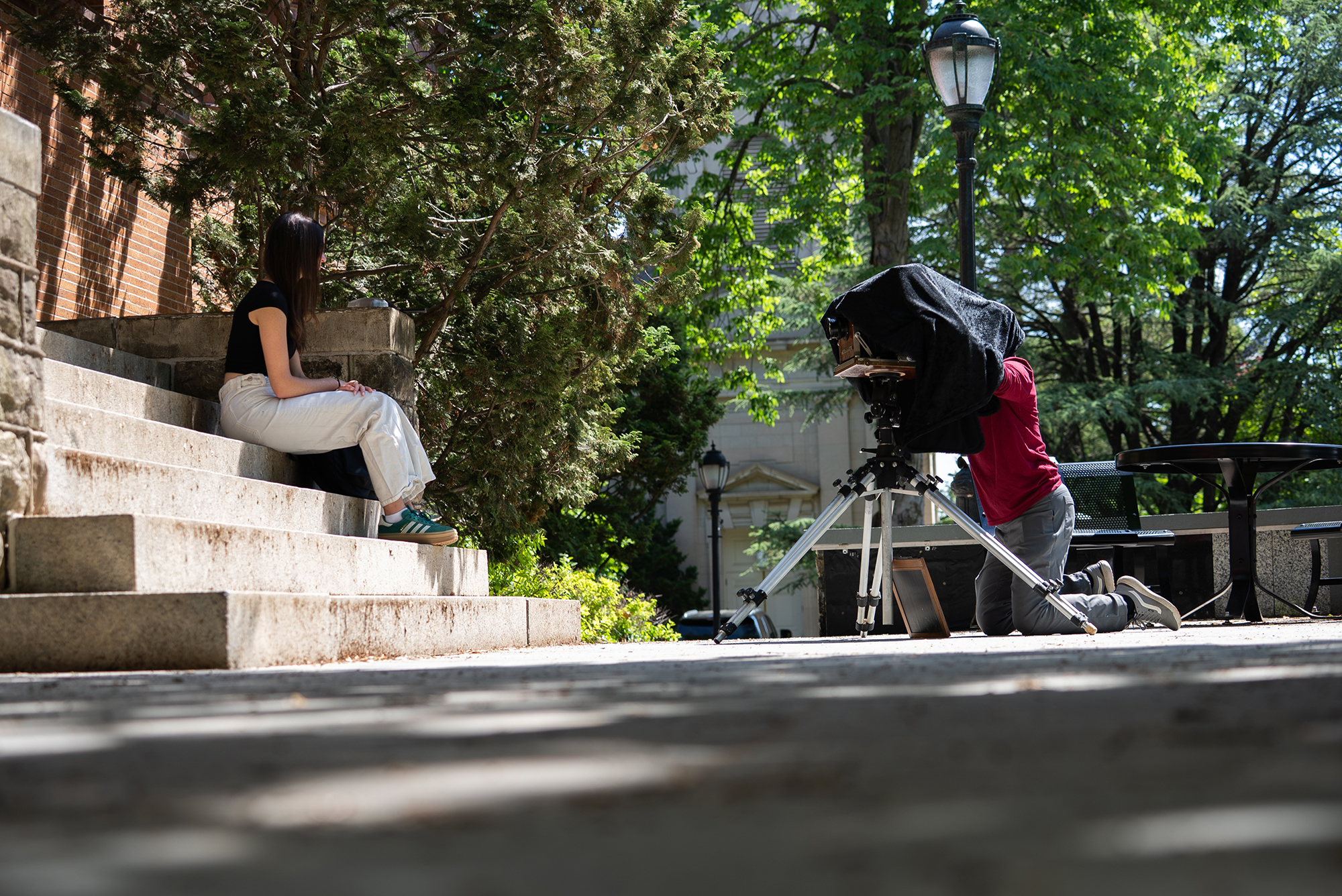
Smith photographs Meena Hosaisy ’27 on the steps of Van Wickle Hall. Through this lens under a dark cloth, the image is actually viewed upside-down via the ground glass for focusing.
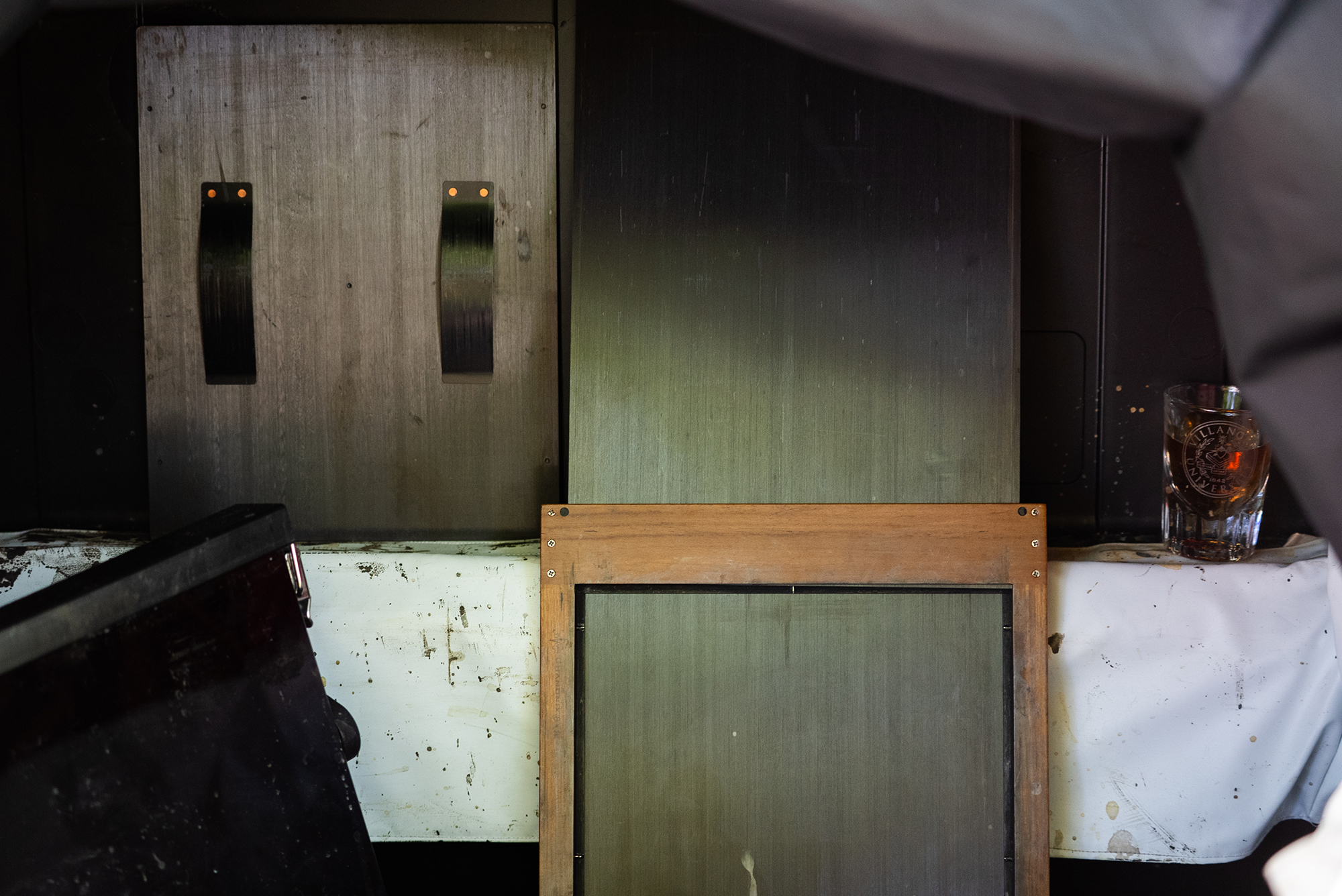
Within a short period of about 15 minutes, the plates need to be coated, exposed, and developed before drying. As such, a portable darkroom was essential to the process; Smith brought the equipment to each of the photo shoot locations on campus.
Understanding chemistry is the basis for wet-plate photography, with collodion and silver nitrate being two of the common solutions used in treating plates.
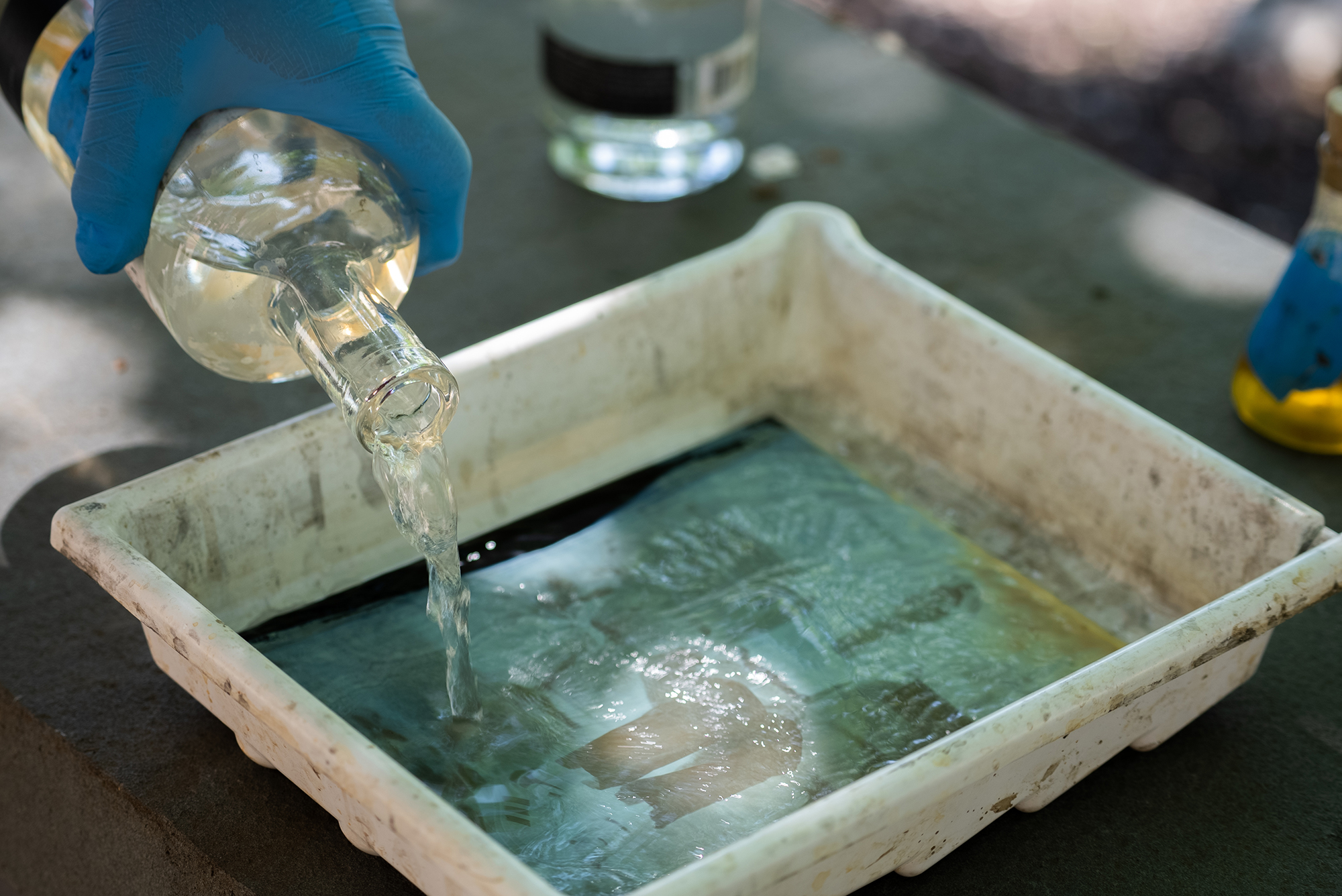
A rinse with a water bath will remove any residual chemicals from the surface of the plate and help with the development of the picture.Since natural light affects the lightness or darkness of wet-plate photography, the weather forecast was checked ahead of the photo shoot.
Amy Downey
Amy Downey is the editor-in-chief of Lafayette magazine. She has 20 years of experience in the magazine industry, including being on the editorial staffs at city regional publications such as Boston and Philadelphia. More recently, she was a senior editor for Penn Stater, the alumni magazine of Penn State University, from where she graduated with a bachelor’s degree in English with a focus in creative writing and publishing. She and her family moved to the Lehigh Valley in 2017.