A precious time for rewilding
How Lafayette alumni and the College are helping to restore ecosystems—one native plant at a time.
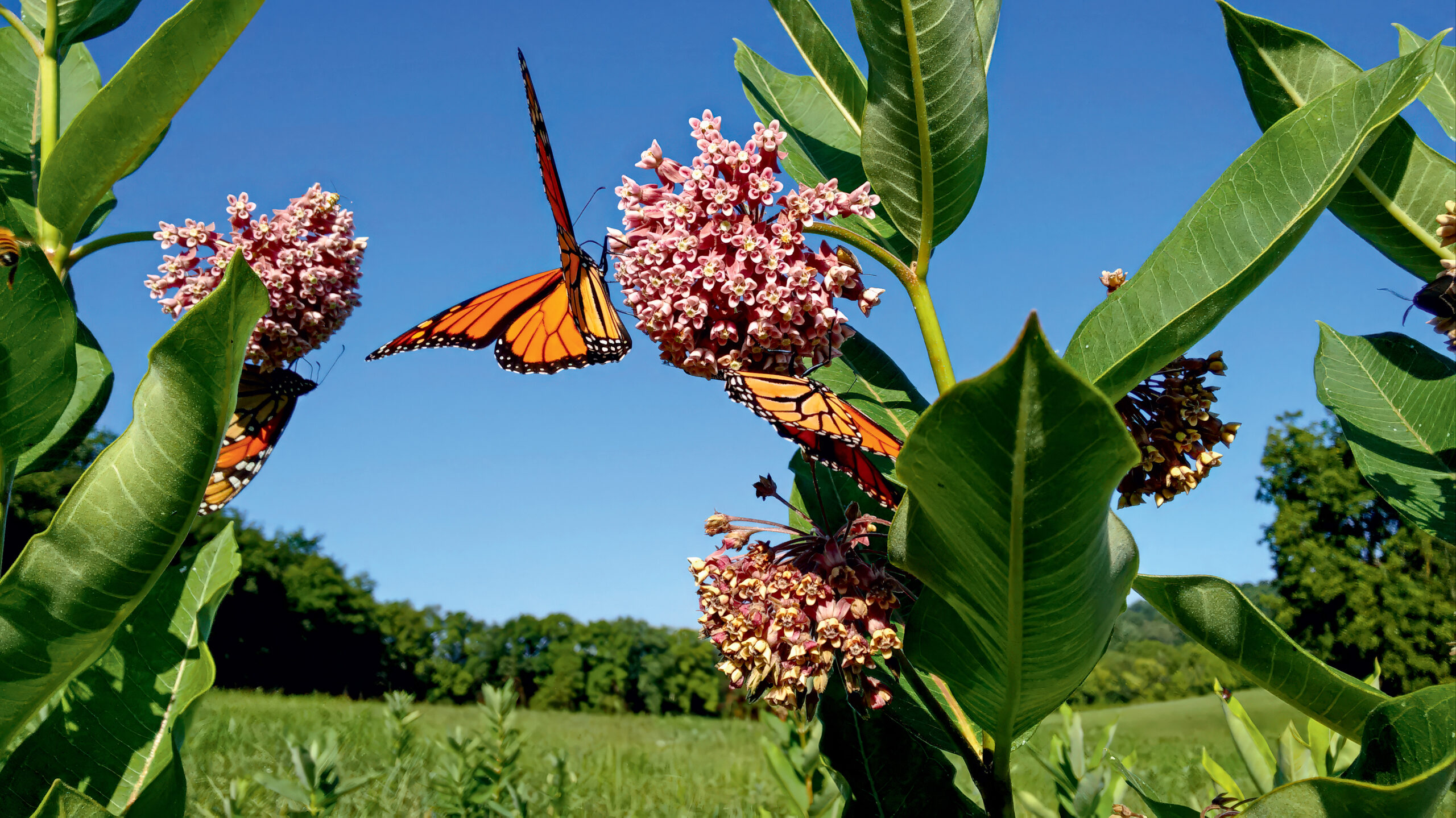
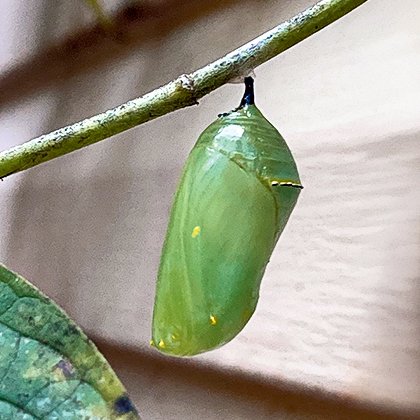
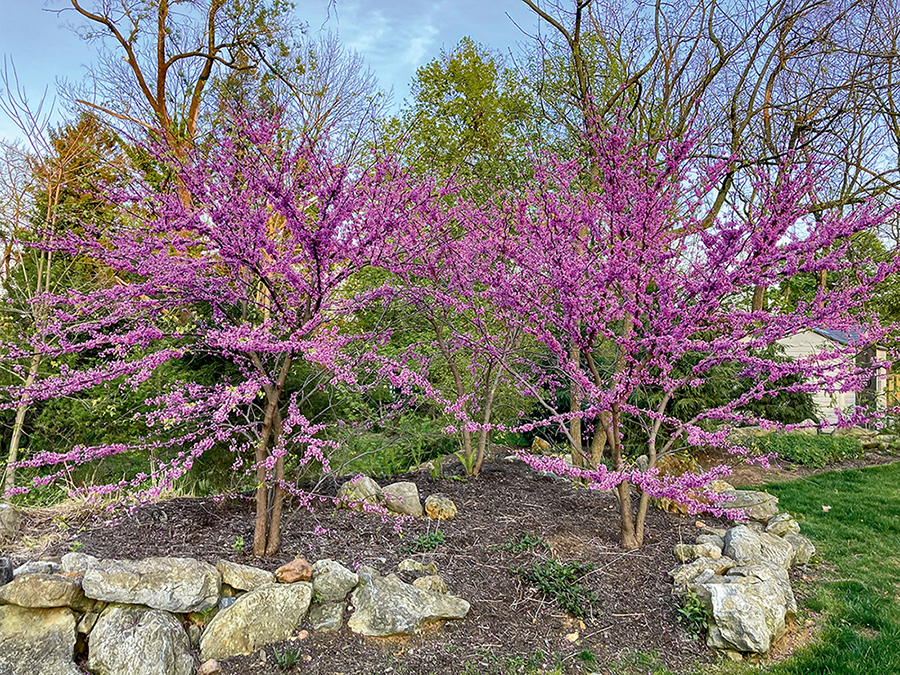
When John Drabic ’83 strolls through his backyard, it’s typical for him to encounter wildlife at every turn. Deer and their fawns nibbling on his black raspberry bush. Chestnut-sided warblers flitting about Eastern redbud trees. Caterpillars transforming into monarch butterflies amongst his milkweed. Creatures from foxes and rabbits to salamanders and newts dashing through northern sea grass.
Over the past decade, Drabic has intentionally transformed his outdoor space into a refuge for mammals, birds, amphibians, reptiles, and insects. The property is even certified by the National Wildlife Federation as a wildlife habitat and registered in the Homegrown National Park program. Hearing a description conjures up images of rolling acres deep in the countryside. When, in fact, he lives only 2 miles from Center City in Allentown—the third largest city in Pennsylvania.
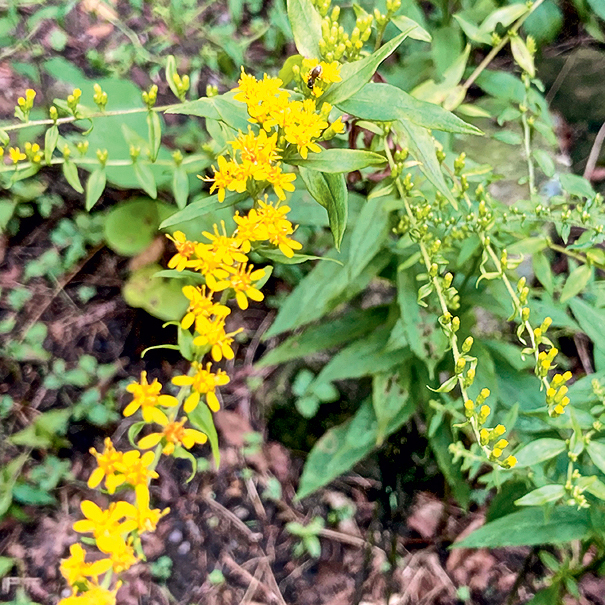
There is one major reason why such biodiversity thrives there: “My entire backyard is landscaped in native plants,” says Drabic, a Penn State master gardener of 25 years, whose career in environmental health and safety has spanned more than four decades.
Native plants, Drabic explains, are foundational to a healthy environment and ecosystem. They support wildlife, which is increasingly stressed by human population growth, development, and the widespread use of non-native plants in residential and commercial landscaping. Beyond providing food and shelter, indigenous plants bolster biodiversity and increase resilience to environmental threats like pollution and climate change.
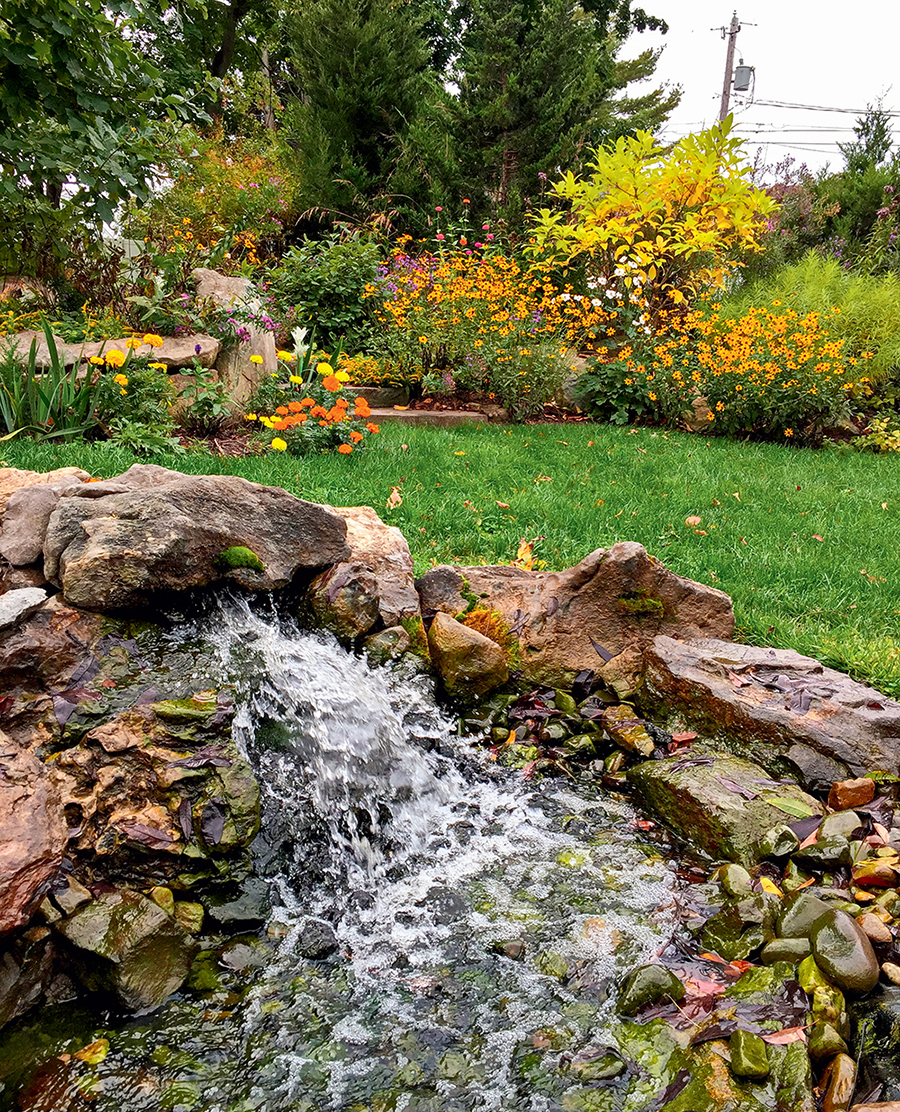
In John Drabic’s garden
Recognized for its sustainability, his green space has a water feature, veggie garden, and plenty of pollinators.
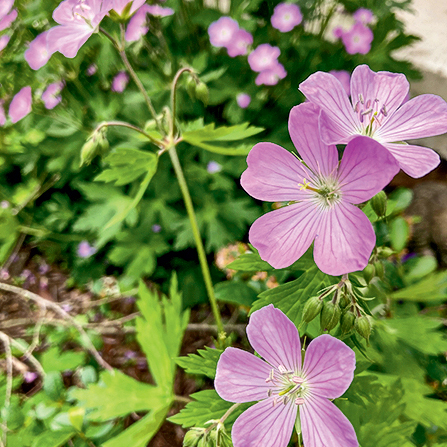
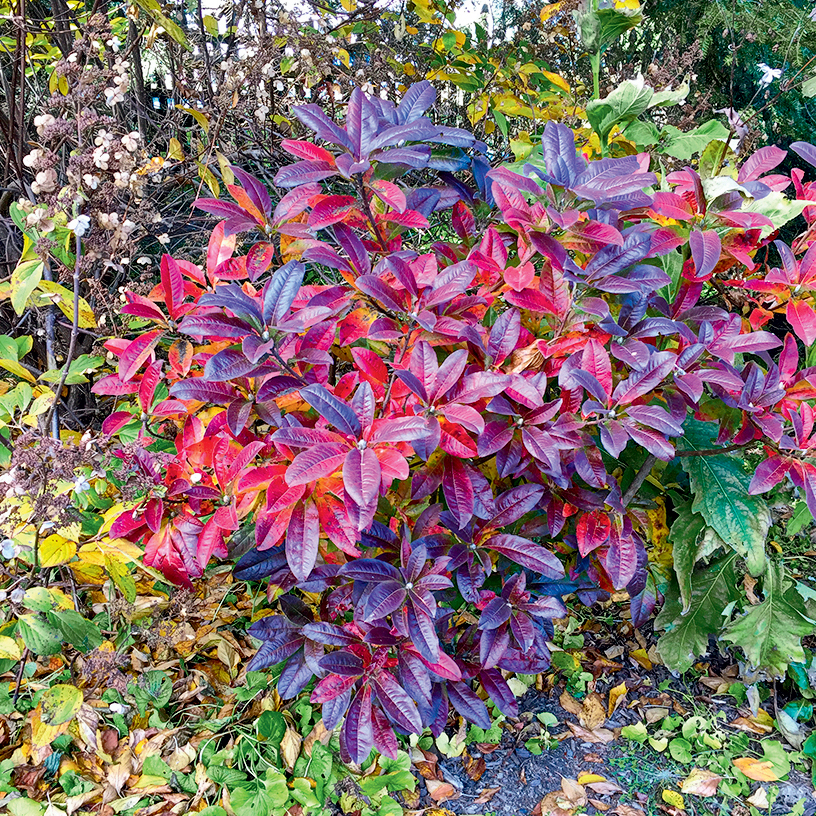
“In Pennsylvania alone, native oak trees support more than 500 species of caterpillars,” Drabic explains. “And 96 percent of birds rely on insects, particularly caterpillars, to provide food for their young.” Replace those oaks with a non-native tree, however, and those links of the food supply chain become stressed or collapse. Bradford pear trees, for instance, have become ubiquitous across the United States, but they offer little ecological value for the food web. “You might as well have a statue instead,” Drabic says.
What’s worse, non-native plants pose another risk: invasiveness. Some species spread aggressively, displacing local habitats and decimating the wildlife that lives there in the process. And once they’re established, invasive plants can be both difficult and costly to remove.
Over time, the collective consequences of these manmade decisions are severe. A 2019 landmark study by Science revealed that nearly 3 billion birds in North America had vanished since 1970: “The results, from the most comprehensive inventory ever done of North American birds, point to ecosystems in disarray because of habitat loss and other factors that have yet to be pinned down,” researchers say.
The 2025 U.S. State of the Birds, a report produced by leading science and conservation organizations, says there is still an alarming and widespread decline of American bird populations across all mainland and marine habitats: More than one-third of U.S. bird species are of high or moderate conservation concern.
Residential and commercial development is intensifying the problem. According to Homegrown National Park, lawns—which are virtually useless to the environment—cover more than 40 million acres in the U.S. Just half of that area is nearly equal to the total acreage of 20 U.S. national parks. As diverse ecosystems are replaced with grass, these lawns significantly contribute to biodiversity loss. Meanwhile, urban and suburban infrastructure, with expansive layers of rooftops and pavement, eliminate habitat and exacerbate flooding because it prevents water from being absorbed into the soil.
Rick Ziska ’07 has witnessed these effects firsthand in Orlando, Fla. “Builders are plowing into the ground, digging up plants that were naturally here for thousands of years. They’re putting up thousands of homes, and throwing in plants from big box stores that don’t belong here and don’t provide us anything,” says Ziska, owner and founder of Wildscape Designs, a landscaping company specializing in native-focused design.
In Florida, many homeowners’ associations require the use of non-native St. Augustine grass, he adds, a species ill-suited to the state’s natural conditions. Maintaining it year-round often requires the use of pesticides, fertilizers, and heavy irrigation. This, in turn, is taxing on the local drinking water supply—and municipalities face higher costs to treat runoff contaminated with chemicals.
“This has been going on for 30 to 40 years, and it isn’t working,” Ziska says. “We need to start the education process, and understand that there are other solutions.”
The environmental and ecological blow can be softened, he says, with more thoughtful, intentional landscaping choices. “We’re a growing population, and we need spaces to live—but we can construct those spaces more intelligently. It doesn’t take much effort, and incentives could help homeowners and developers see that.”
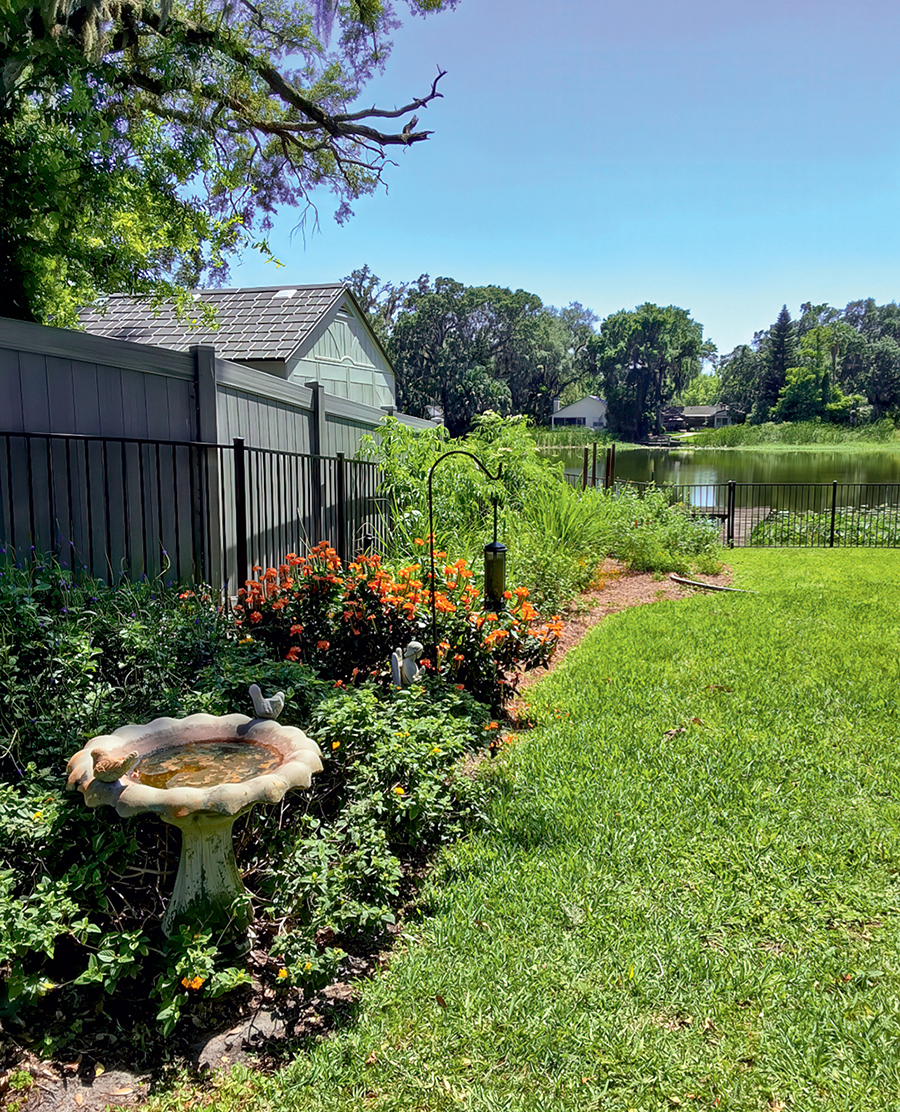
Rethinking the way we grow, growing the way we think
Look around your neighborhood and you might notice some properties embracing this movement: A 2022 survey commissioned by the National Wildlife Federation, in partnership with the National Gardening Association, reported 25% of people are specifically choosing native plants, an increase from 17% in 2020.
Environmental benefits aren’t the only reason homeowners and businesses are making the switch back to native plants. Indigenous species are genetically adapted to local climates and conditions, allowing them to thrive without requiring excessive amounts of water or synthetics for support. As a result, native landscapes reduce human exposure to harmful chemicals while conserving water.
They can also save a property owner time and money on maintenance and services. With the proper planning and placement, native plants require minimal manpower to look their best. “There’s no such thing as no maintenance,” Ziska says. “Plants are living things, and you’re always going to be interacting with your yard. But native plants eliminate unnecessary maintenance. It’s a completely different experience to just walk around your yard with a pruner in hand, versus needing a hedge trimmer, weedwhacker, or lawn mower to take care of it.” And with the wide range of native species that are available, he adds, native landscapes can be just as aesthetically pleasing and visually striking as non-native ones.
Drabic and Ziska explain that demand for native plants is steadily rising, driven by increased consumer awareness and legislative requirements. “Pennsylvania has a list of plants nurseries can no longer sell because they’re invasive,” Drabic says. Carrying a wider selection of native plant species is becoming a prevailing practice for nurseries, adds Ziska, who has also noticed a marked increase in consumer interest in his business over the last year and a half. “I get notes of appreciation from my customers all the time, and that just confirms what we’re doing is on the right path, and we’re striking a chord here,” Ziska says. “And once enough people start experiencing the benefits, it becomes a no-brainer for others to follow along.”
More and more HOAs are also reevaluating their landscaping requirements, Ziska says. He’s been working closely with homeowners’ associations across Central Florida, providing them with insights on the advantages of native-focused landscaping, and helping to lead boots-on-theground implementation in common and public spaces. “I’m excited to work with different municipalities, agencies, and HOAs to help change the rhetoric,” he says.
A campus commitment
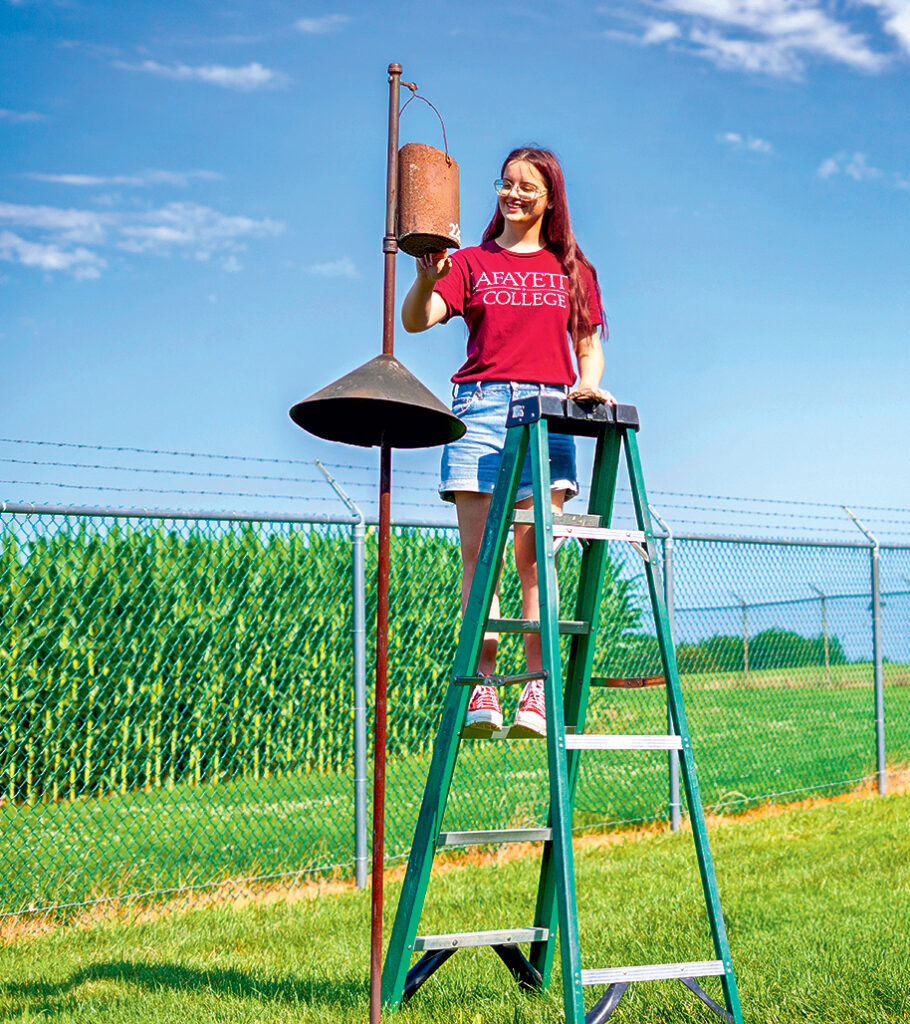
Through policies and goals, campus projects, and research and education, Lafayette College is also doing its part to promote sustainable landscaping and ecosystem management. “The College has a significant number of acres and green space that have the potential to impact our local ecosystem, and we recognize we have a role to play,” says Samantha Comas, sustainability outreach and engagement manager.
Lafayette’s Sustainable Landscaping Policy requires the use of native species for all new plantings and renovations on campus. It also mandates the removal of existing invasive species, and the reduction of pesticide and herbicide use. The College’s commitment to these sustainable practices is visible across campus in spaces like the Fisher Field bioretention pond, March Field pollinator garden, and the 50-foot buffer of native plants beside LaFarm. Each supports local pollinators, such as butterflies and bees, along with birds and other wildlife.
Many classes have used these and other campus spaces as a living laboratory for learning and research. A new course called Land Acts, taught by Prof. Kyle Keeler, is both culturally and agriculturally conscious of the native crops grown in eastern Pennsylvania’s soil and climate. Crops such as tobacco, coneflowers, beans, corn, and squash were planted at LaFarm last spring by Keeler’s class; in November, the seeds were harvested and shipped to the Delaware Nation of Oklahoma—returning food to the Lenape who were forced to relocate from the region in the 19th century. Elsewhere at LaFarm, Prof. Mike Butler and his students are exploring preferred nesting materials in bird habitats. (Click here to read about these bird boxes, plus Butler’s new bird research funded by the National Science Foundation.)
Nancy Waters, associate professor of biology, seeded a milkweed habitat with her students in 2010 at the margins of what would later become LaFarm. Used in both teaching and research projects over the years, it enables education in biodiversity and the plight of the monarch butterfly population. “It’s important to consider on a daily basis how we model the values we hold,” says Waters, who also served as a consultant for the native landscaping located outside the Simon Center for Economics and Business. “One of the things I talk about with students is their
responsibility to use their knowledge about things like invasives and natives to become advocates for their community. If we lose native specimens, it’s a loss for future generations too.”
The Office of Sustainability is currently developing Lafayette’s Climate Action Plan 3.0, an updated version of its Climate Action Plan, which will help guide the College as it works toward its commitment to reaching carbon neutrality by 2035. Increased campus resiliency is a main focus, as are natural strategies for supporting the ecosystem—such as utilizing trees to provide cooling, improving runoff in parking lots, and more. “It’s really exciting to see how native plants can help Lafayette reach these goals,” Comas says.
The results, Ziska says, can be instant. “When we’re working on people’s yards, the animals and insects come out of the woodwork and are drawn directly to the plants we’re using—even while the plants are still sitting on the driveway as we work. They sense it and know that it’s there. It’s truly amazing.”
But there’s another magical quality that natives can bring, Ziska adds, and it’s enjoying peace and comfort of your own backyard. His mission is to connect people with nature through their outdoor spaces, which can completely change their emotional well-being: “There is something therapeutic about picking flowers to display on your kitchen counter, or watching your kids chase butterflies in your garden. The more we can integrate local species into our outdoor areas, the more vibrant a life we can create—both for ourselves and the world around us.”